The Unstoppable: How Truth Prevails When Everything Stands Against It | Daily Readings | May 2, 2025

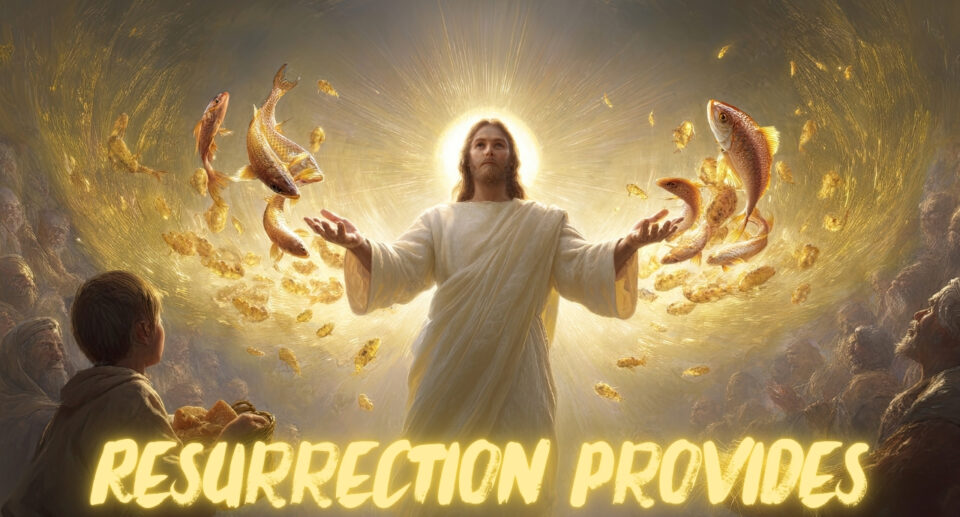
Flogged apostles walk away rejoicing. A single voice halts execution. Five loaves somehow feed thousands. Discover what creates such extraordinary phenomena in today’s readings, which reveal how divine truth possesses unstoppable momentum that human opposition cannot defeat.
Through this reflection, you’ll discover:
- What Gamaliel understood about truth that most authorities miss
- How Athanasius embodied “Athanasius against the world” and won
- Why limitations might be precisely what God multiplies
- When suffering becomes privilege rather than punishment
Readings covered: Acts 5:34-42; Psalm 27:1, 4, 13-14; John 6:1-15
Timeline: 00:00 Introduction 00:50 First Reading 03:15 Psalm Response 05:10 Gospel Reading 07:25 Reflection 17:40 Closing Prayer
Perfect for anyone facing seemingly insurmountable opposition, working with inadequate resources, or seeking to understand suffering’s potential transformation through divine purpose.
#CatholicDailyReadings #UnstoppableTruth #DivinePurpose
The Unstoppable: How Truth Prevails When Everything Stands Against It
Blood streamed down their backs as they walked away… laughing.
Not nervous laughter or hysterical release, but genuine joy. “Rejoicing because they had been counted worthy of suffering disgrace for the Name.”
Thirty-nine lashes—a punishment so severe it sometimes killed—and they left celebrating.
This single image captures something so profoundly countercultural, so fundamentally transformative that it demands explanation. What creates such inverted reaction? What transforms brutal punishment into privileged honor?
The answer lies partly in what preceded this flogging. The Sanhedrin—the same council that had condemned Jesus—was ready to execute the apostles when an unexpected voice intervened. Gamaliel, a respected Pharisee, rose with disarming simplicity: “If their purpose is human, it will fail. If it’s divine, you’ll only find yourselves fighting against God.”
His words reveal a profound principle rarely acknowledged in our certainty-obsessed age: divine truth possesses unstoppable momentum that human opposition cannot ultimately defeat. Self-evident truth eventually prevails regardless of who stands against it.
History vindicates Gamaliel’s insight. The authorities who executed Jesus and flogged his followers have vanished. The empire that crucified him has collapsed. Yet the movement they sought to exterminate spans continents, transcends millennia, and transforms lives still.
On today’s feast, Athanasius embodies this principle with stunning clarity. When the popular Arian heresy denied Christ’s full divinity and gained support from emperors and bishops alike, this single Egyptian stood virtually alone. Exiled five times, declared enemy of the state, hunted through deserts and swamps, he never wavered. His epitaph might well have been Gamaliel’s principle: if truth is divine, opposing forces will ultimately exhaust themselves against it.
During his lifetime, people mockingly said “Athanasius contra mundum”—Athanasius against the world. In retrospect, we recognize the world was against Athanasius, and the world lost.
What creates such confidence? Not arrogance or stubbornness, but recognition of reality beyond human opinion. Our Psalm reveals this foundation: “The LORD is my light and my salvation—whom shall I fear?” Not bravado but clear-eyed assessment of relative power. If God illuminates, human darkness cannot ultimately prevail. If divine salvation surrounds, human threat diminishes accordingly.
This isn’t abstract theology but practical recalibration of perspective. When eternal reality becomes more substantial than temporal threat, response to persecution fundamentally shifts.
The Gospel completes this picture with another manifestation of unstoppable divine reality—this time not truth persisting against opposition but abundance overflowing human limitation.
Five barley loaves and two fish—peasant food barely sufficient for one—somehow feed thousands with twelve baskets remaining. Human calculation confronts divine provision, and mathematics surrenders to miracle.
The connection between these readings runs deeper than first appears. Each reveals unstoppable divine reality breaking through apparent human limitation:
Truth that persists despite overwhelming opposition. Joy that flourishes amid brutal persecution. Abundance that multiplies beyond rational explanation.
Each requires recalibrated perspective to recognize and participate in:
Gamaliel seeing beyond immediate threat to discern potential divine purpose. Apostles measuring suffering not by physical pain but alignment with Christ. Jesus transforming inadequate resources into inexplicable provision.
The pattern appears throughout Christian history—insignificant beginnings producing inexplicable impact, apparent defeats containing ultimate victories, limited resources generating abundant provision.
A Galilean carpenter executed as criminal becomes history’s central figure. A movement targeting society’s lowest members eventually transforms empires. A community embodying radical values repeatedly survives forces that destroy more powerful institutions.
What does this reveal about divine economy? Not miraculous escape from difficulty but transformation within it. Not exemption from natural limitations but transcendence through them. Not circumvention of opposition but persistence beyond it.
Nowhere do we see divine intervention eliminating human participation. Jesus doesn’t create food from nothing—he multiplies what a boy offers. God doesn’t protect apostles from flogging—he transforms their experience of it. Athanasius isn’t spared opposition—he’s sustained through it toward ultimate vindication.
This pattern challenges our natural instincts. When facing insufficient resources, we calculate what seems reasonable rather than offering what we have for divine multiplication. When encountering opposition, we seek immediate vindication rather than trusting truth’s unstoppable momentum. When experiencing suffering, we focus on escape rather than potential meaning.
Yet today’s readings and saint reveal profound alternative: divine reality operating not parallel to human experience but through it, not replacing natural elements but transfiguring them.
The boy’s lunch—insignificant in human calculation—becomes history’s most famous meal through divine multiplication. The apostles’ suffering—designed to silence—becomes compelling testimony through transformed perspective. Athanasius’s isolation—intended to neutralize—becomes powerful witness through historical vindication.
We see this pattern most clearly in the central Christian paradox—crucifixion becoming salvation, instrument of torture becoming symbol of hope, apparent defeat containing ultimate victory. The unstoppable divine reality doesn’t bypass the cross but works precisely through it.
What might this mean in our experience?
Perhaps our greatest limitations—insufficient resources, opposition to purpose, even suffering itself—aren’t obstacles to divine reality but potential channels for its manifestation. Perhaps our most significant weaknesses might become, like the boy’s lunch, precisely what divine provision multiplies beyond explanation.
The Sanhedrin saw apostles as problem requiring elimination; Gamaliel recognized potential divine purpose requiring patience. The disciples saw inadequate resources requiring dismissal; Jesus saw raw material for miracle requiring trust. Athanasius’s contemporaries saw troublesome dissident requiring exile; history reveals prophet aligned with truth requiring vindication.
Which perspective will we choose?
When confronting apparently insufficient resources—whether material, emotional, or spiritual—will we calculate reasonable limitations or offer what we have for potential multiplication?
When facing opposition to truth or purpose—whether external resistance or internal doubt—will we demand immediate vindication or trust the unstoppable momentum that Gamaliel recognized?
When experiencing suffering—whether physical pain, relational conflict, or circumstantial difficulty—will we focus exclusively on escape or remain open to potential meaning within it?
These choices don’t guarantee immediate transformation. Sometimes divine purpose unfolds across decades rather than moments. Athanasius died before his vindication was complete. Persecution of early Christians continued long after Gamaliel’s intervention. Even Jesus’ miraculous provision was followed by misunderstanding when crowds tried making him political king.
Yet unstoppable divine reality continues working—sometimes visibly through miraculous provision, sometimes invisibly through persistent truth, sometimes paradoxically through transformed suffering.
Our psalm concludes with guidance for participating in this reality: “Wait for the LORD; be strong and take heart and wait for the LORD.” Not passive resignation but active patience. Not denial of difficulty but confident expectation of divine purpose unfolding through it.
This perspective doesn’t eliminate natural responses to limitation, opposition, or suffering. The apostles felt real pain from real lashes. The disciples genuinely couldn’t feed thousands from insufficient resources. Athanasius undoubtedly experienced genuine loneliness in exile.
Yet something more significant than these realities shaped their experience—recognition of divine purpose working through human limitation. This recognition didn’t eliminate natural elements but transfigured them, creating capacity to rejoice amid suffering, distribute impossible abundance, and maintain solitary witness against overwhelming opposition.
Today’s readings and saint invite similar recognition—not escape from human reality but transformation within it. Not miraculous exemption from limitation but divine provision working through it. Not immediate vindication of truth but confidence in its unstoppable momentum.
For when self-evident truth aligns with divine purpose, all opposing forces—no matter how temporarily powerful—eventually exhaust themselves against its unstoppable reality.